
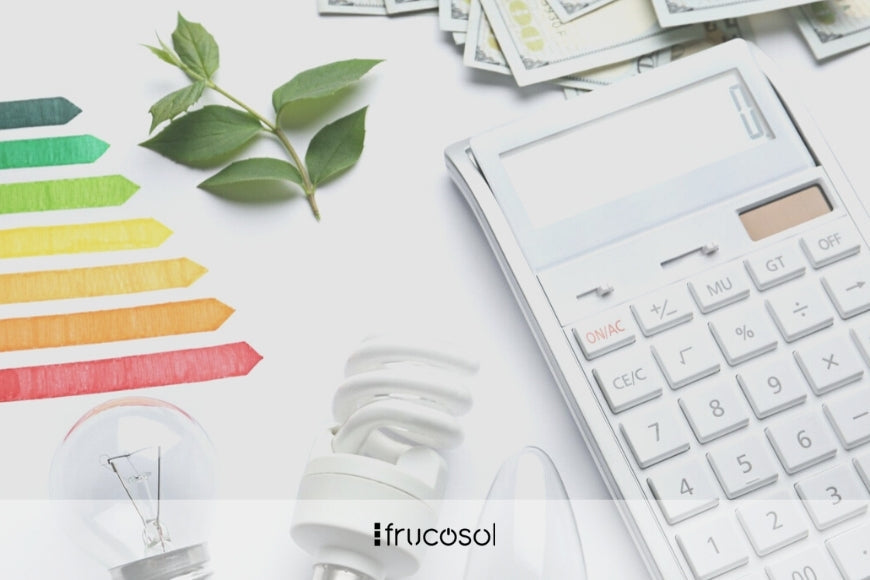
Reducing your restaurant's total energy consumption not only lowers your utility costs, but is also better for the environment. Many hospitality professionals have adopted energy-saving methods over the last decade and have drastically reduced energy use and expenses. In this post, we provide some energy-saving tips to help you reduce water and electricity consumption.
Energy Saving Tips
Reducing energy consumption in your kitchen can be easier than you think with our energy-saving methods! Here are the top tips for saving energy in your business.
Use energy-efficient equipment
Equipment contributes significantly to your restaurant's energy consumption. Many manufacturers offer equipment that uses a fraction of the energy of their other models, and switching to these models could save your business thousands of euros annually.
High-efficiency fryers: Upgrading your fryer to an energy-efficient model will not only save you money on utilities, but also on fryer oil. Newer high-efficiency fryer models experience less burning, extending the life of your oil. Also remember that with our oil filter you will also extend the life of your oil.
High-efficiency dishwashers: Using an energy-saving certified dishwasher can save an average of €1,500 per year compared to a standard model.
An excellent piece of equipment for saving in your kitchen are our cleaning machines, which not only allow you to save energy, but also reduce labor, chemicals, water, and other resources needed to clean and sanitize all your kitchen equipment.
Maintain your equipment properly
If you don't keep your equipment clean or repair it regularly, it's likely working harder than necessary. There are some simple preventive tasks you can perform on your own to increase your energy savings and extend the life of your equipment.
For example, the condenser coils of your refrigeration units become clogged with dust over time, which insulates the coils and prevents them from expelling heat. The result is that your refrigeration unit has to work much harder to reach food-safe temperatures. You must keep your coils clean to maintain the energy efficiency of the refrigeration unit.
Use water filtration systems to prevent calcification and mineral deposits in any equipment connected to a water line. By replacing your water filters at the right time, you ensure that limescale buildup does not obstruct the internal components of your equipment and affect the unit's efficiency.
Reduce water consumption
Restaurants require large amounts of water to maintain their operations. Fortunately, there are some simple ways to reduce your restaurant's water consumption and lower your water bill.
Use low-flow spray valves. These low-flow spray valves are easy to replace and use much less water than older spray valves.
Repair leaky faucets. Over time, drips from a single leaky faucet add up. Instead of wasting water and money, repair your faucets with new components.
Use energy-efficient lighting
By replacing incandescent bulbs with energy-efficient lighting, you can drastically reduce lighting electricity costs. Not only will you save on utility costs, but you will also help the environment by conserving energy and reducing greenhouse gas emissions.
LED bulbs: LED bulbs consume less electricity and last up to 10 times longer than a standard incandescent bulb.
CFL bulbs: Not as energy-efficient as LEDs, CFL bulbs are still 4 times more efficient than standard incandescent bulbs. They produce more light than LEDs, so they work well for lighting large areas of your restaurant.
Reduce heat usage
Invest in a smart thermostat: Smart thermostats can be programmed remotely and can optimize energy usage. Many are also tamper-resistant to prevent unauthorized adjustments.
Use unheated hand dryers: Energy-efficient hand dryers that rely on forced air rather than hot air can consume up to 80% less energy than a standard hand dryer.
Reduce the ambient temperature in your kitchen
When the ambient temperature in your kitchen is too high, your refrigeration equipment works harder to keep food refrigerated. By keeping ambient heat to a minimum, you can ensure the most efficient operation of your portable devices and refrigerators.
Use induction equipment and work equipment without the use of a flame or burner. They transfer heat directly to the cookware while the surrounding air remains cool.
Kitchen extractor hoods: Use condensation hoods over your dishwashers and steam equipment to help remove hot air from your kitchen.
Turn off idle equipment
Conserving energy can be as easy as flipping a light switch. This may seem simple, but countless restaurants waste hundreds of euros a month because they leave idle equipment running.
Make your kitchen layout more efficient
Your kitchen layout can directly affect the efficiency of your equipment. There are a couple of basic rules to keep in mind to ensure your appliances are performing at their peak.
Breathing room: Your refrigeration equipment needs room to breathe and expel hot air as part of the cooling process. Without adequate ventilation space around the unit, it uses more energy to stay cool.
Separate heating and cooling equipment: If you place your oven next to your ice machine, the ambient air will be hotter and the ice machine will not operate efficiently.
Finally, share these energy-saving protocols with your staff so that they are also aware and involved in the process. Place reminders above the sink, next to light switches, and anywhere else in your kitchen that will help your employees follow the protocols.
By using these tips, you'll start to see measurable benefits from being eco-friendly that will help your restaurant reduce waste and save money. Environmentally conscious customers will appreciate your dedication to energy conservation, and so will the environment!


Leave a comment
This site is protected by hCaptcha and the hCaptcha Privacy Policy and Terms of Service apply.